
Why the Break Matters
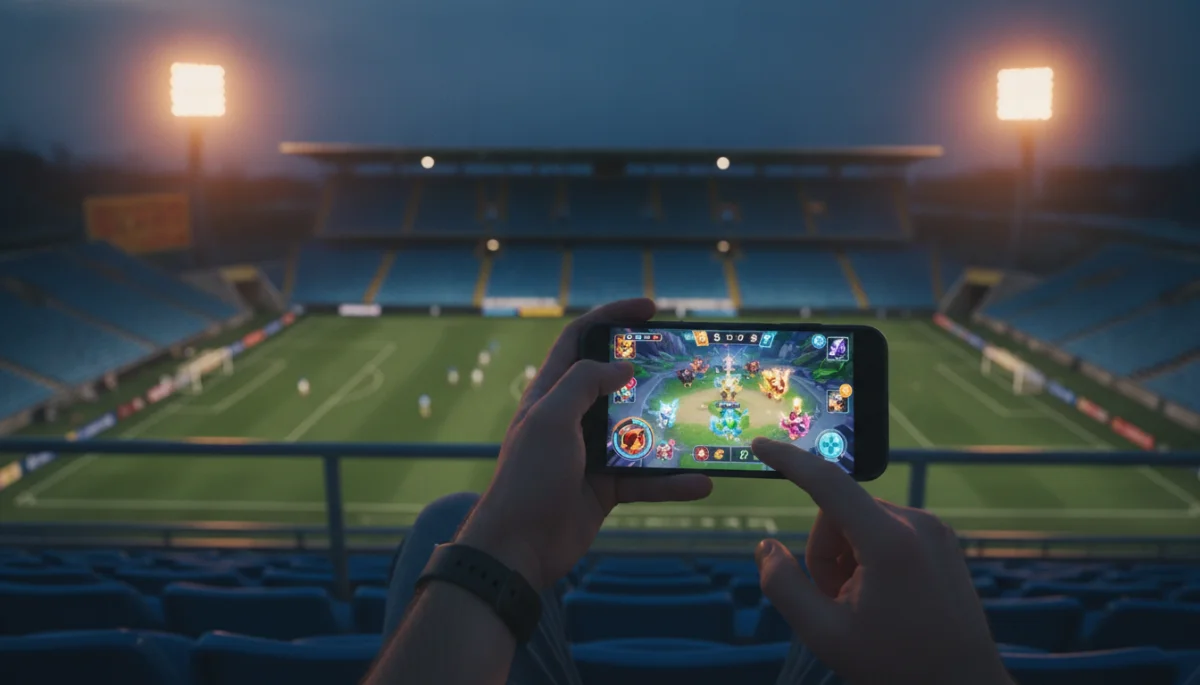
Halftime creates a strange shift in the fan experience. The action stops, the pace drops, and attention can drift while teams regroup and broadcasters fill time with commentary.
Quick mobile games fit that gap because they deliver a fast reset without asking fans to leave the moment. A short session can keep the energy up until play resumes.
What Makes a Good Halftime Game
The best options are built for speed and simplicity. They open quickly, are easy to understand, and reward repeat play in very small windows of time.
That is why fans tend to choose games that feel immediate rather than demanding. A title with short rounds, clear goals, and minimal setup is easier to enjoy during a break that may last only a few minutes.
| Game Style | Halftime Appeal |
|---|---|
| Quick Puzzles | Easy to start and finish before play restarts |
| Fast Sports Simulators | Matches the energy of the event fans are already watching |
| Spin-Based Games | Simple mechanics and instant feedback |
| Prediction Games | Connects directly to the live match |
Why the Experience Feels So Natural
Sports already create intense emotional swings, so fans often want something equally immediate during downtime. Mobile games offer a different kind of payoff: quick wins, instant feedback, and a sense of control.
That control matters. Fans cannot influence the scoreboard, but they can influence a game on their phone, which makes the break feel more active and less empty.
How Better Connectivity Changed the Habit
Stronger mobile networks and better stadium Wi-Fi have made this behavior easier to sustain. Fans no longer need to worry as much about slow loading, poor signal, or dropped sessions in crowded venues.
Developers also design these games to use less data and respond faster. The result is a smooth experience that fits neatly into the short window between the first and second half.
Where Sports Brands Fit In
Teams, leagues, and broadcasters have started using halftime as a chance to deepen engagement. Some build prediction challenges tied to the game, while others offer rewards for fans who complete short in-app tasks.
Fantasy sports updates also play a role, since many fans want a quick check on their lineups before play resumes. For organized sports businesses, the halftime break is no longer dead time; it is a valuable interaction point.
What Comes Next
As mobile experiences get faster and more immersive, halftime entertainment will likely become even more interactive. Augmented reality and location-aware features could eventually make the break feel like a second layer of the live event.
For now, the trend is clear. Fans want entertainment that is fast, simple, and easy to drop the moment the game starts again, and quick mobile games deliver exactly that.


Leave a Reply